
Pet Dental CareFort Thomas, KY · Independence, KY
Dental & Oral Health
Pet Dental Care in Northern Kentucky
Dental disease can affect your pet's comfort, eating habits, and long-term wellbeing. Our team in Fort Thomas and Independence helps families understand oral findings and treatment options clearly.
Dogs & cats New patients welcome Fort Thomas, KY Independence, KY Locally owned
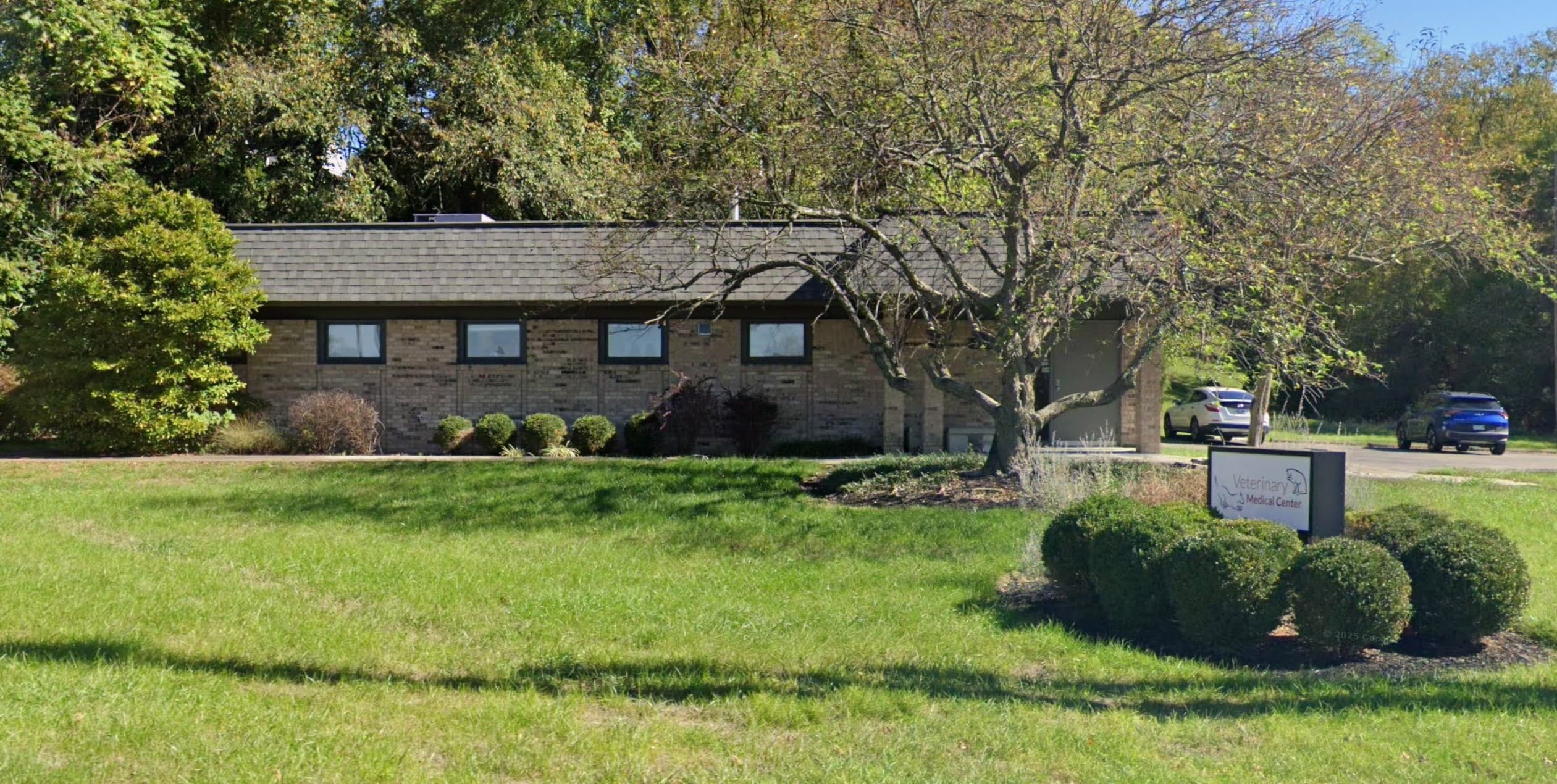
Pet Dental Care
Helping your pet feel better, one step at a time.
Dental disease can affect your pet's comfort, eating habits, and long-term wellbeing. Our team in Fort Thomas and Independence helps families understand oral findings and treatment options clearly.
Pets often keep eating and acting normally even when something is bothering them, which is why small changes at home matter.
Catching a concern sooner usually means simpler, more comfortable options for your pet.
Our goal is a plan that supports your pet's comfort and your family's peace of mind.
Helpful context
More about pet dental care in Northern Kentucky.
Dental health is closely connected to your pet's overall comfort and quality of life. Bad breath is often the first sign families notice, but visible tartar, red gums, drooling, dropping food, or changes in how a pet chews can all point to oral pain or disease that deserves veterinary attention.
Veterinary Medical Centers approaches pet dental care with clear communication and practical guidance. Whether your pet needs a dental exam as part of a routine visit or you're noticing changes at home, our Fort Thomas and Independence teams help families understand what the exam reveals and what the recommended next steps would involve.
If you are comparing pet dental care options in Fort Thomas, Independence, or nearby Northern Kentucky communities, the most useful starting point is an exam and a conversation. Our team can explain what applies to your pet, what can be watched at home, and what next steps would be most practical.
When to schedule
Schedule a dental exam if your pet has bad breath, visible tartar, red gums, mouth sensitivity, drooling, dropping food, or chewing changes. Dental health is also reviewed during routine wellness visits.
When to schedule
Small changes can be worth a closer look.
You do not need to know exactly what your pet needs before you call us. Start with what you are seeing at home.
Bad breath
Persistent unpleasant breath is one of the most common signs of dental disease and is often the first thing families notice.
Visible tartar or discolored teeth
Yellow or brown buildup on the teeth is a sign that dental plaque has hardened and may be contributing to gum disease.
Red, swollen, or bleeding gums
Gum inflammation can indicate early or advanced periodontal disease and should be evaluated by a veterinarian.
Drooling more than usual
Increased saliva or drooling can be a sign of oral pain, mouth sores, or dental disease that is affecting comfort.
Not sure what your pet needs?
You do not have to figure that out before scheduling. Tell us what you've noticed and we'll help you choose the right next step.
What to expect
A visit without the guesswork.
We start with your pet, not a procedure. The goal is to understand what is happening, explain what we find, and give you a plan that makes sense.
Oral exam and conversation
Your veterinarian examines visible teeth, gums, and surrounding tissues and asks what you've noticed at home — including breath changes, eating habits, or any pawing at the face.
Discussion of findings
Your veterinarian explains what they observed — tartar buildup, gum redness, loose teeth, or other concerns — and why these may affect your pet's comfort.
Professional cleaning discussion
If a professional cleaning is recommended, your veterinarian explains the process, including anesthesia, monitoring, dental X-rays when appropriate, and what to expect during recovery.
Treatment planning when needed
If the exam reveals concerns that may need further treatment such as extractions, the team walks through what that could involve and what questions to consider.
If treatment is recommended
Pet Dental Care is about more than one quick answer.
Every pet is different. Your veterinarian will recommend the parts of care that make sense after an exam and conversation.
Oral health assessment
A veterinarian evaluates visible dental concerns and discusses symptoms during the exam.
Professional cleaning discussion
We explain when and why a professional cleaning may be recommended.
Dental X-ray guidance
Dental imaging is discussed when it may add information that affects the care plan.
Treatment planning
We walk through options for extractions or additional care when findings warrant it.
Our approach
Clear answers. Care that fits your pet.
Our veterinary teams in Fort Thomas and Independence approach pet dental care with clear communication and practical recommendations. We explain what we find during the exam, discuss why professional cleaning or treatment may be recommended, and take time to walk through what the process involves — including anesthesia, monitoring, dental X-rays when appropriate, and home-care steps. Our goal is to help families feel informed and comfortable making decisions for their pet.
We'll explain the why
You should understand what we found and why we're recommending the next step, in plain language.
We'll treat the individual pet
Recommendations consider your pet's health, age, comfort, and everyday life, not a one-size-fits-all script.
You'll know what comes next
We want you to leave with a clear plan, whether that's treatment, home care, monitoring, or a simple follow-up.
Close to home
Pet Dental Care in Northern Kentucky.
We provide pet dental care for dogs and cats at our Fort Thomas and Independence locations. Choose whichever clinic works best for your family.
Fort Thomas Veterinary Medical Center
2000 Memorial Parkway, Fort Thomas, KY 41075
(859) 442-4420
Independence Veterinary Medical Center
4147 Madison Pike, Independence, KY 41051
(859) 356-2242
Trusted education
Helpful articles from veterinary sources.
These external resources can help you read more before or after your visit. They are educational and do not replace recommendations from your veterinarian.
Related care
Other services that may fit your pet.
Pet care articles
Learn more about pet dental care.
Common questions
What pet owners ask us about pet dental care.
Does my pet need anesthesia for a professional dental cleaning?
Professional dental cleanings for pets require anesthesia so the team can safely clean above and below the gumline, evaluate each tooth, and take X-rays if needed. Veterinary Medical Centers explains the anesthesia and monitoring process before the procedure.
How do I know if my pet has dental disease?
Common signs include bad breath, visible yellow or brown buildup on the teeth, red or swollen gums, drooling, chewing changes, dropping food, or decreased appetite. A veterinary dental exam can identify problems that may not be obvious at home.
Can dental disease affect my pet's comfort and quality of life?
Yes. Dental disease can cause pain that affects eating, behavior, and daily comfort. Many pets hide discomfort, so problems may be further along than their behavior suggests by the time they become noticeable.
How often should my pet have a dental exam?
Dental health is typically evaluated during routine wellness exams. Based on findings, your veterinarian may recommend a professional cleaning or more frequent monitoring. Small breeds and certain dog and cat breeds often develop dental disease earlier.
What are dental X-rays used for in pets?
Dental X-rays allow veterinarians to see the portion of teeth and roots below the gumline, where significant disease can develop without visible signs. They help identify loose teeth, abscesses, bone loss, and other concerns that affect treatment planning.
Fort Thomas + Independence
Something seem off? Start with a conversation.
Whether you're noticing changes at home or just want peace of mind, our Fort Thomas and Independence team can help you figure out what comes next.
Fort ThomasIndependenceDogs and cats welcome
This page is for educational purposes and does not replace a veterinary exam. If your pet has severe, sudden, or rapidly worsening symptoms, call Veterinary Medical Centers or seek urgent veterinary care.